
Effective Task Management in R&D: Order-Based Projects and Tracking TÜBİTAK Work Packages
Task management in R&D processes, order-based projects and the effective tracking of TÜBİTAK work packages.

In today's competitive business world, managing R&D processes effectively has become a critical factor directly affecting a company's capacity for innovation and its position in the market.
In order-based projects and TÜBİTAK-funded R&D work in particular, the systematic tracking of work packages and the professional management of periodic reporting are the principal determinants of a project's success.
A task management system supported by the right tools and methodologies delivers both time and cost efficiency here, while significantly raising the rate at which project goals are met.
The complex structure of R&D projects requires many different disciplines to come together and work in coordination. The knowledge areas that form the core principles of project management — scope, time, cost, quality, human resources, communication, procurement, risk and stakeholder management — all play a critical role in R&D.
Applying each of these knowledge areas effectively is decisive in a project's success. Scope management in particular ensures the project's objectives and outputs are defined clearly, while time management makes it possible to schedule work packages and tasks correctly.
Human resources management, meanwhile, supports assigning tasks to team members with the right competencies and strengthening collaboration within the team.
Order-based R&D projects are undertaken in line with objectives set by a client or funding body; they are usually divided into specific work packages with clearly defined outputs.
In projects of this kind, managing every process from the outset through to delivery with a systematic approach is vital. Given that each project calls for its own management strategy, planning and monitoring the main processes in detail is critical both to the current project's success and to gaining valuable experience for future projects.

Applying project management processes step by step guides teams through every stage, from identifying activities to reporting and delivery.
TÜBİTAK projects hold an important place in supporting R&D and innovation in Türkiye, and tracking work packages in these projects demands particular care. Work packages organise the sub-tasks and activities needed to reach the project's main objectives into a logical whole.
Defining work packages correctly, assigning tasks clearly to those responsible and monitoring progress regularly are critical factors in completing a project both on time and within budget. Among the main difficulties encountered in TÜBİTAK projects are preparing the project, determining the subject, writing reports, and managing time and resources.
This makes a professional task management system, supported by a planned, phased and practical consultancy process, all the more important.
Task management in R&D projects covers not only the coordination of technical activities but also the effective use of human resources, continuity of communication and the professional management of stakeholder expectations. In a process that requires an interdisciplinary approach, addressing the project management knowledge areas as a whole is essential.
Communication management, for instance, guarantees the flow of information between the project team and stakeholders and ensures reports are delivered on time and in full, while integration management keeps all the project's components moving forward in harmony.
Using a central task management platform here makes it easier for team members to see their tasks clearly, follow progress and communicate effectively with one another.
Periodic reporting is a fundamental practice in R&D projects for monitoring progress, detecting risks and deviations early, assessing the use of resources and ensuring accountability to funding bodies.
In TÜBİTAK projects, periodic reports set out the status of work packages, the problems encountered and the measures taken. Managing this process effectively raises the project's transparency while ensuring potential problems are detected in time and the necessary interventions made.
Digitising and automating reporting makes it easier to process and visualise data and build dashboards, significantly improving the effectiveness of process management and decision support.
An organisation's project management maturity directly affects the success of task management and reporting in order-based R&D projects. Organisations with a high level of maturity in scope and procurement management achieve better results when they also develop in areas such as risk and human resources management.
In institutions where strategic planning and management functions are carried out maturely, project management processes are observed to be more effective and quality assurance and internal control processes better run. This clearly demonstrates the contribution that a culture of organisational learning and continuous improvement makes to success in R&D projects.
Critical success factors in R&D — time, cost, scope, stakeholder satisfaction and long-term impact — are the core performance indicators of project management. Given that effective risk management and communication are becoming ever more important in measuring project outcomes, it is clear that task management and reporting are critical not only for meeting short-term goals but for sustainable long-term success.
Within this framework, choosing the right methodology, establishing a suitable organisational structure, building a competent and experienced project management team and applying the chosen methodology's processes in full are fundamental requirements for a project's success.
In an age of digital transformation, digitising and automating task management and reporting in R&D projects significantly increases transparency and traceability. Integrating weekly reports into dashboards enables performance to be monitored in real time, workload to be optimised and the reporting process to be digitised entirely.
This approach minimises the time teams spend on manual data entry and report preparation while giving management instant access to the data it needs for strategic decisions. In complex R&D projects in particular, managing processes such as the simultaneous tracking of multiple work packages, resource planning and performance assessment through an integrated platform offers considerable advantages in both operational efficiency and strategic management.

In conclusion, task management in order-based R&D projects, tracking TÜBİTAK work packages and periodic reporting all require the project management knowledge areas to be addressed holistically and across disciplines.
Success in these processes comes from choosing the right methodology, defining and tracking tasks effectively, reporting regularly and digitising the work. In modern R&D management, technology-supported solutions let project teams work more productively, managers make better-informed decisions and organisations extract maximum value from their R&D investment.
Digitise Your Processes with the ARCA Yazılım R&D and Project Management System
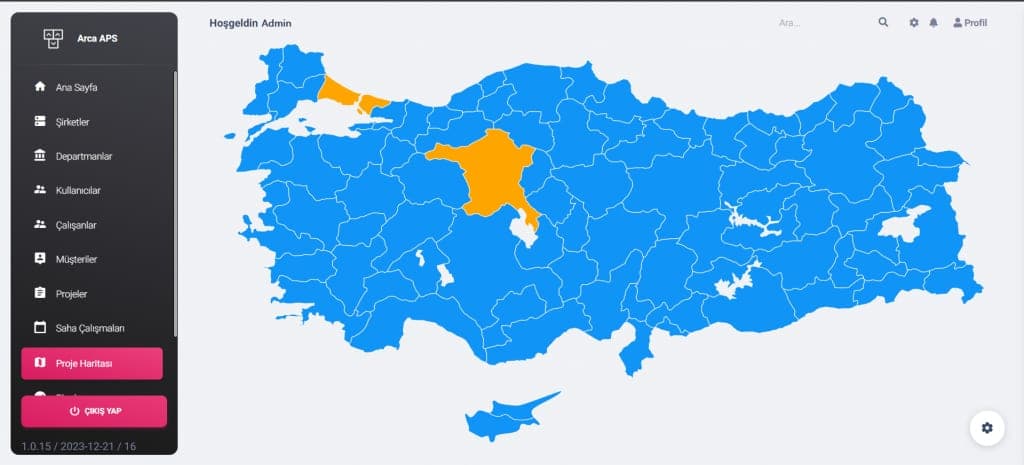
To manage your R&D processes professionally, track your work packages effectively and digitise your periodic reporting, take a look at the R&D and Project Management System developed by ARCA Yazılım. Our system lets you manage all your R&D work, from order-based projects to TÜBİTAK projects, from a single platform. Raise productivity and transparency in your R&D projects with work package tracking, task assignment, time management, resource planning and automatic reporting.
For detailed information you can visit www.arcayazilim.com or reach us at info@arcateknoloji.com.