
Clean Code, Strong Project: The Golden Rules of Sustainability in Software
Clean code principles, ease of maintenance and managing technical debt for sustainable software.
Code Readability, Writing Clean Code, and Tips for a Software Project's Long-Term Success
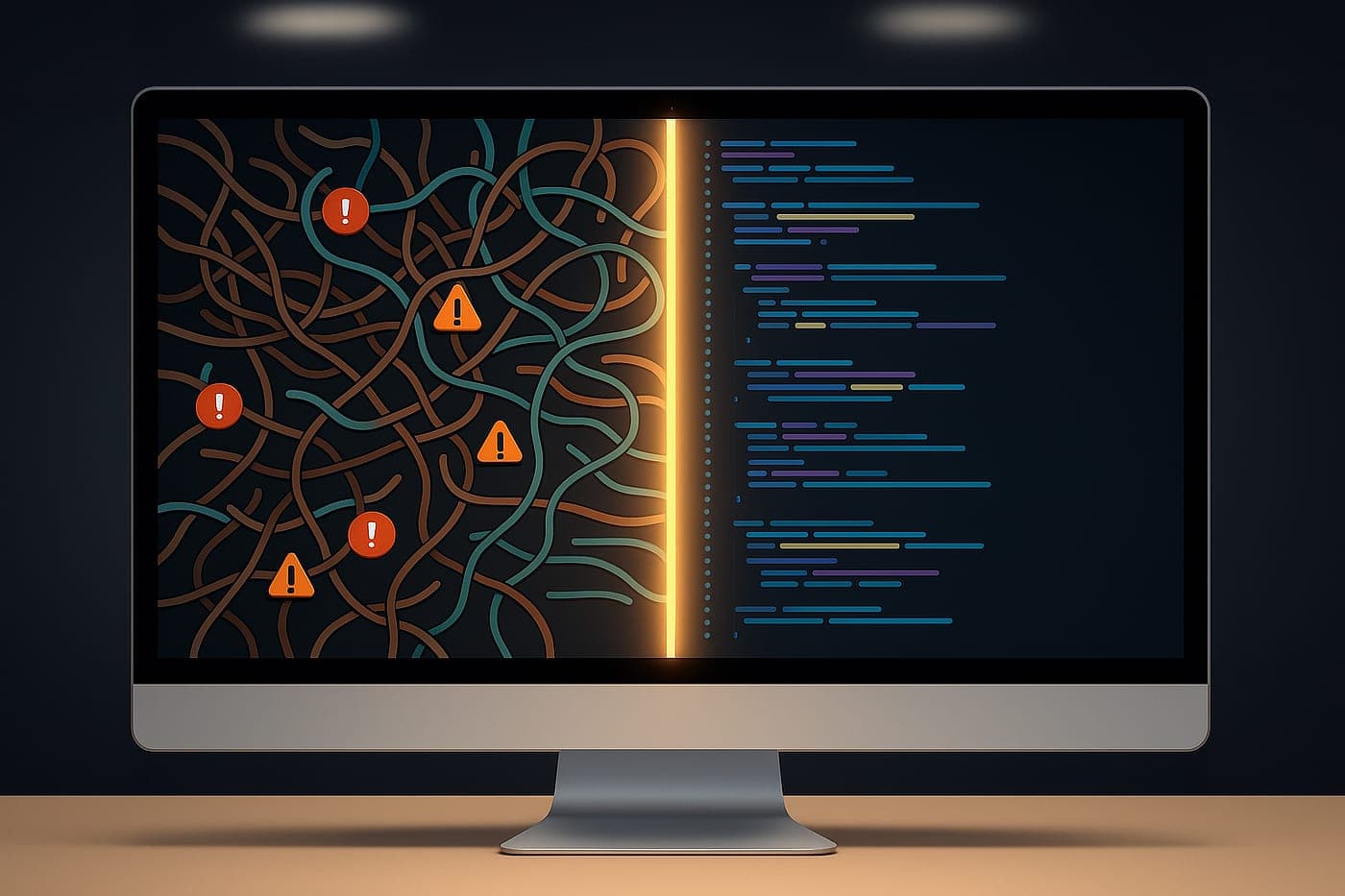
Although "clean code" is a term we hear often in software development, the pressure of workload or delivery dates frequently pushes it into the background. Yet if we want to build a project that succeeds over the long term, code readability and clean code are essential.
Because the code you write quickly today becomes part of a vast structure that you, or someone else, will maintain tomorrow. Writing readable, orderly and sustainable code is therefore not merely a preference but an important investment that extends the life of the software.
Why Does Code Readability Matter So Much?
One of the largest cost items in a software project is not development but maintenance. Code that is easy to understand speeds up everything from adding a new feature to fixing a defect. Six months after writing a line of code, it is entirely normal to feel as though you are seeing it for the first time. This is exactly where readable code earns its keep.
Readable code states its purpose at first glance. It stays as far from convoluted expressions as it can. Variable and function names should explain what the code does. If you have to open other files to understand what is inside a function, that is a sign something there needs improving.
The Core Principles of Writing Clean Code
Writing clean code is not only about following rules; it is about preparing your code for the future. So which principles should you keep in mind?
Use Meaningful Names
One of the biggest mistakes developers make is using short or vague variable names to save time. Yet naming is half of a codebase's readability.
Names such as productPrice, userEmail and orderList are more descriptive than variables like x, y or temp.
Keep Functions Small
The smaller a function is, the more readable and testable it becomes. Functions that grow long usually do more than one job, and that leads to tangled code. Let each function do one thing, and do it well.
Get Rid of Unnecessary Code
Unused variables, functions that no longer run and leftover comment lines all clutter a codebase. Every unnecessary line carries the potential to cause a problem, if not today then tomorrow. Keeping code clean is therefore vital to long-term success.
Avoid Repetition
DRY (Don't Repeat Yourself) is one of the golden rules of the software world. Writing the same code in more than one place raises both the cost of maintenance and the risk of error. You can turn shared blocks into functions and make them reusable.
Use Comments Properly

Well-written code usually needs few comments. Sometimes, though, an algorithm is complex, or a particular operation is done for a specific reason. In cases like these, short and clear comments are a great help. What matters is that the comment explains the code rather than standing in for it.
At Arca Yazılım, our professional software teams follow clean code standards rigorously in our projects, producing software architectures that are sustainable, easy to extend and high in quality.
This approach supports both the healthy progress of current projects and long-term growth.
Tips for a Software Project's Long-Term Success
Writing clean code does more than get you through today; it shapes the future of the project. Here are some tips that help software projects last:
Use a Standardised Code Structure
Agreeing a code standard with your team keeps every part of the project working in harmony. When everyone writes in a different style within the same project, chaos follows in time.
Hold Regular Code Reviews
Code reviews raise code quality and strengthen the sharing of knowledge within the team. Reviewing someone else's code helps you see errors you had missed in your own.
Do Not Neglect Tests
Tests are among the most critical parts of software's long-term success. A small change to one function can break something elsewhere in the system. Tests head off situations like these and make development safer.
Keep It Simple
The complicated solution is not always the good one. Most of the time the simplest approach is more valuable for both readability and sustainability. Excess architectural layers or unnecessary design decisions can make your life harder later.
Refactor Continuously
Refactoring is the process of improving existing code. Leaving code untouched because it works causes technical debt to build up over time. Small but regular improvements keep a project healthy.
Code readability and clean code are among the elements most often overlooked during development, yet they bring the greatest benefit over the long term. A clean codebase speeds up development and makes communication within the team easier. It also extends the project's life and spares you a constant struggle with technical debt. If you are aiming for long-term success, it is worth treating clean code not as an option but as a requirement.

If you want to be sure your software projects are built on the right foundations, having your process assessed from a professional perspective is always a considerable advantage. For detailed information about our projects, or to make use of our technical consultancy services, write to info@arcateknoloji.com
to get in touch with the Arca Yazılım team.
To learn more about all the services Arca Yazılım offers and its impressive references, you can visit the official website: www.arcayazilim.com