
Testing & Quality
The Software Testing Life Cycle (STLC)
The stages of the software testing life cycle (STLC) and what to watch for at each one.
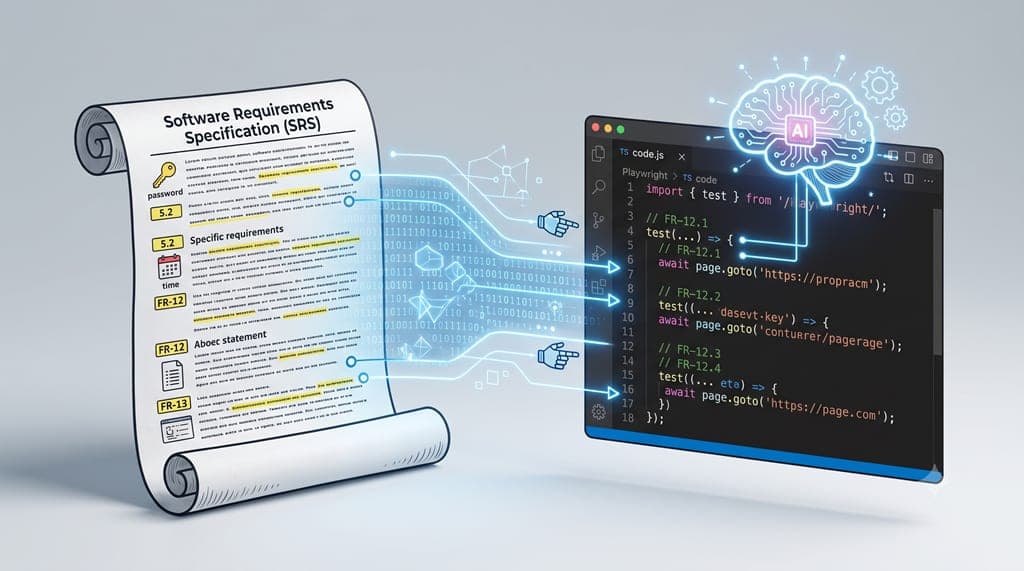
Requirement Analysis: Laying the Foundations
- Functional and non-functional requirements: separating what the software has to do (functional) from how it has to do it (non-functional).
- Identifying testable requirements: assessing whether each requirement can actually be tested.
- A risk-based test approach: using risk analysis to determine which areas to test first.
Test Planning: The Strategic Road Map
- Building the test strategy: setting out the scope, objectives and criteria of the testing.
- Resource and time management: planning the test resources and the schedule.
- Choosing test tools and infrastructure: deciding which test tools and infrastructure will be used.
Test Design: Preparing Detailed Scenarios
- Creating test scenarios and test cases: preparing scenarios and cases for each requirement.
- Data preparation: creating and managing the data the tests need.
- Defining test criteria: setting out what counts as a pass and what counts as a failure.
Test Environment Setup: Providing Realistic Test Conditions
- Preparing the hardware and software infrastructure: setting up the hardware and software environments the tests will run in.
- Creating the test databases: preparing the databases the testing requires.
- Configuring access and security: putting access rights and security measures for the test environment in place.
Test Execution: Testing the Application Under Real Conditions
- Running the test scenarios: carrying out the scenarios that have been prepared.
- Recording the results: documenting the test results in detail.
- Tracking defects and anomalies: logging the defects and anomalies that are found.
Defect Management and Reporting: Effective Communication and Correction
- Defect categories and prioritisation: classifying defects by type and ranking them by priority.
- Correction and tracking: fixing the defects and following the resolution process.
- Reporting and stakeholder communication: reporting test results and fixes to the relevant stakeholders.
Test Closure: Assessing the Process and Sharing the Results
- Preparing the test closure report: writing the report that assesses the testing process as a whole.
- Lessons learned and process improvements: identifying what was learned during testing and where the process can be improved.
- Presenting the results to stakeholders: presenting the test results and recommendations to the project stakeholders.
Test Types and Techniques
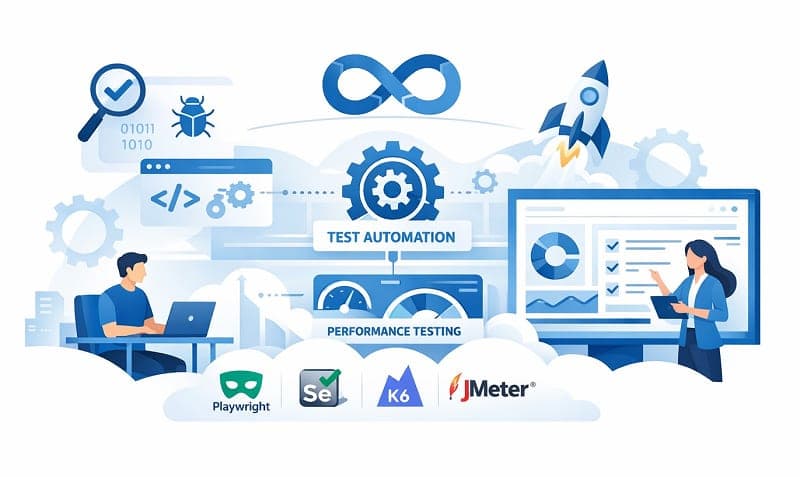
Test Automation: Productivity and Continuity

- The advantages of automation: faster testing, fewer human errors and integration into continuous integration pipelines.
- Automation tools and applications: using tools such as Selenium, Jenkins and GitLab CI/CD.
- Success stories and examples: cases where test automation has been applied successfully in enterprise projects.
Test Management and Tools: Effective Process Monitoring and Control
- Test management tools: the tools used to plan, run and monitor testing processes.
- Reporting and analysis: analysing test results and reporting them to the relevant stakeholders.
- Tailored solutions: test management solutions customised to enterprise needs.
A Forward Perspective
- Continuous improvement of test processes: reviewing and improving testing processes regularly.
- Integrating new technologies: bringing artificial intelligence, machine learning and automation into testing processes.
- Future trends and expectations: the developments and trends expected in testing.