Human Error
Over long manual inspections, distraction and fatigue can affect the consistency of quality control.
The AI Defect Detection System is a camera-based, deep-learning quality control platform that detects scratches, cracks and other defects on metal surfaces in real time.
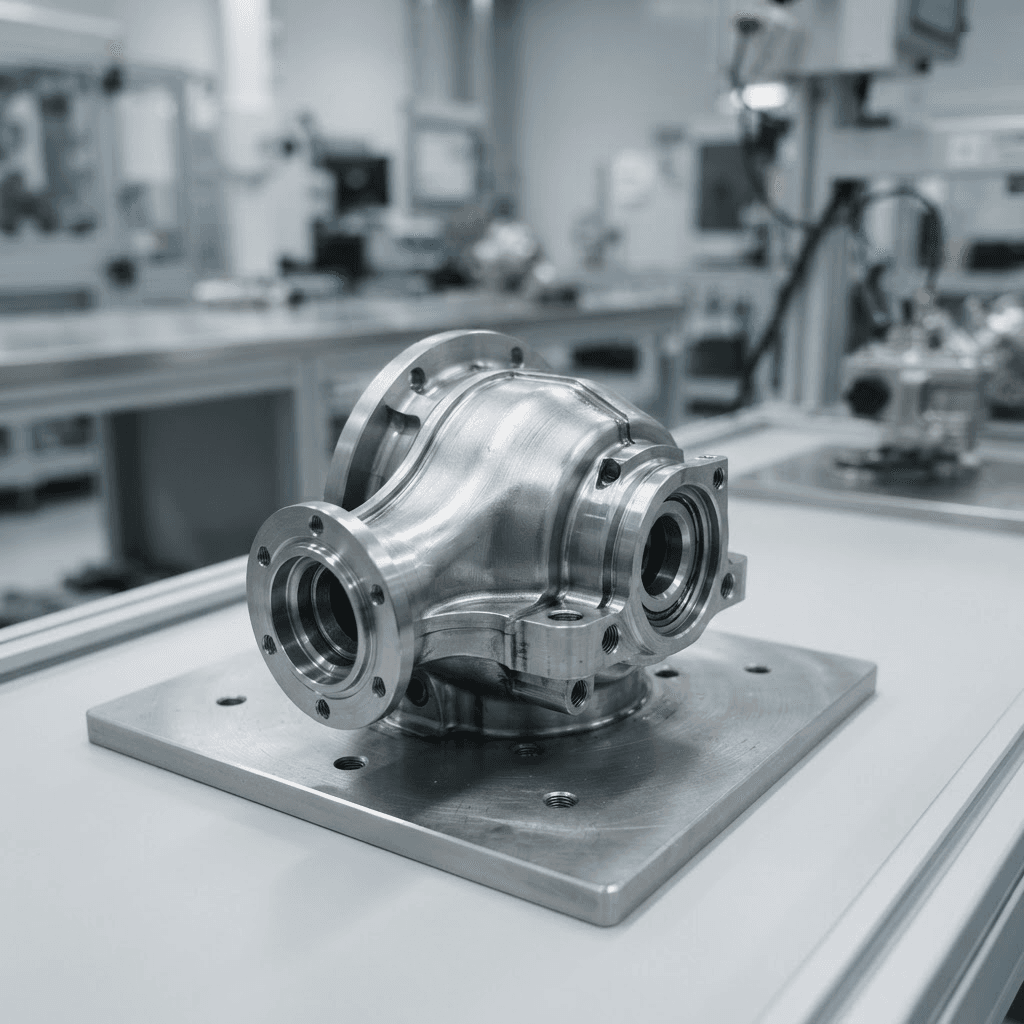
Manual quality control has its value, but as scale grows it becomes increasingly difficult to keep both consistency and speed.
Over long manual inspections, distraction and fatigue can affect the consistency of quality control.
Inspecting products one by one can slow down production speed and operational efficiency.
The same defect may be judged differently across shifts or between operators.
When defects surface later in the production process, they bring costs such as rework, material loss and customer returns.
“Quality control is not only about finding the defect, but finding it at the right time.”
The AI Defect Detection System combines camera-based visual inspection with deep learning to analyse metal parts on the production line in real time.
End-to-End System Flow
Camera
Image capture
Image
Pre-processing
AI Analysis
Deep learning
Defect Detection
Location + class
Result
Sent to the operator
From the moment the part is presented to the camera through to the result reaching the operator, the whole process runs as one smooth, lag-free flow.
The metal part to be inspected is positioned in the camera’s field of view on the production line.
A high-resolution camera delivers a live image of the part to the system without delay.
The deep-learning model processes the image and evaluates every region of the surface.
Scratches, cracks and other defined defect types are classified and pinpointed by location.
The detection result appears on screen in real time, together with defect locations and confidence values.
The outputs can be used in quality control decisions, reporting and continuous improvement.
As it scans the metal surface, the system marks the defects it finds directly on the image, presenting each region to the operator with its type and confidence value.
Location-based marking
Every defect is placed on the image with a bounding box.
Confidence value display
Every detection is listed with the model’s confidence score.
Lag-free stream
Scanning and display run smoothly in real time.
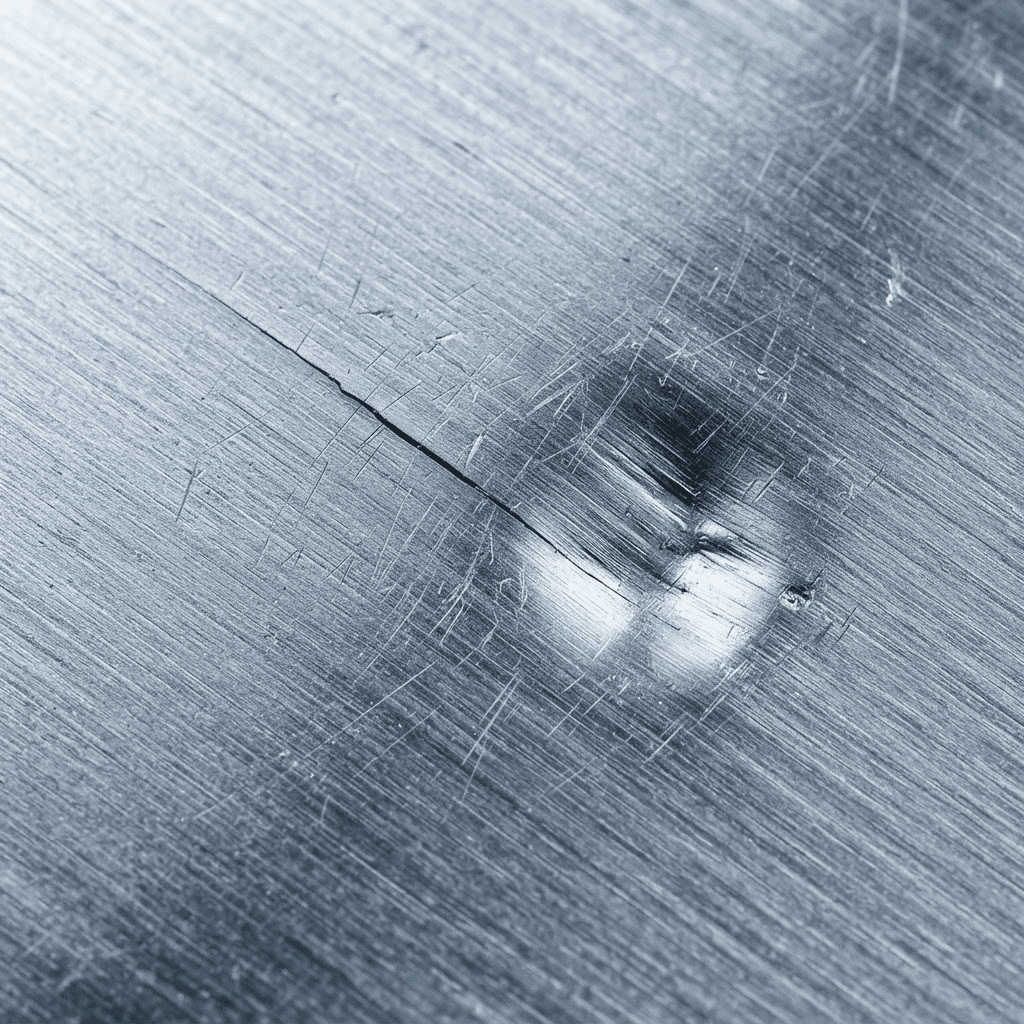
Scratch
97.4%
Crack
94.8%
Deformation
91.2%
The defect types and percentage values in the image are shown for interface illustration only and are not an actual measurement result from the system.
No two production lines have the same defects. The system lets you build datasets from images of your own line, label those images, train models and optimise them for your production needs.
Dataset
1,248 images
Labelling
mAP
0.94
precision
0.96
recall
0.93
Complex AI infrastructure turns into a clear, simple experience for the operator. The system can be designed to fit naturally into the daily flow of your field teams.
“Complex AI infrastructure becomes a simple experience for the operator.”
A high-performance image processing infrastructure helps images from the production line be analysed smoothly and without delay.
Advanced deep-learning and object detection architectures locate and classify defect regions with millimetric precision.
A high-performance processing infrastructure helps images from the production line be analysed smoothly and without delay.
A parallel processing approach supports efficient evaluation of the image stream.
ARCA Yazılım brings different AI technologies together according to the use case, with the capability to build manufacturing, automation, image processing and intelligent decision systems.
Tool and data integration through the model context protocol.
Context-aware retrieval and reasoning.
Multiple agents working in coordination.
Interfaces that interact in natural language.
Voice command and response capabilities.
Analysis combining text, image and audio.
The technologies above represent ARCA Yazılım’s general AI capability; they can be selected and combined according to the use case, and do not mean they are all necessarily part of the AI Defect Detection System.
Automating quality control lays the ground for measurable, consistent improvements across production processes.
0%
Detection accuracy
Real time
Visual analysis
0%
Data ownership
24/7
Continuous analysis potential
Reducing inspection time
Reducing labour costs
Preventing defective products from reaching the customer
Reducing the risk of product returns and recalls
Reducing material waste
Making the quality standard more consistent
100% data ownership refers to the system being able to run without a mandatory dependency on external cloud services, and to ownership of the data and models remaining with the business.
It can be designed so that control over your production data and the models you train stays within your business.
The system can be designed to run without a mandatory dependency on external cloud services.
Control over your production data and the models you train can remain with your business.
Data and model management can be configured to suit your corporate requirements.
The system can be customised for different metal types, different defect categories and different production line structures. Instead of a one-size-fits-all package, it offers a flexible platform that adapts to your production.
A flexible solution that can be considered across a range of manufacturing areas requiring metal surface inspection.
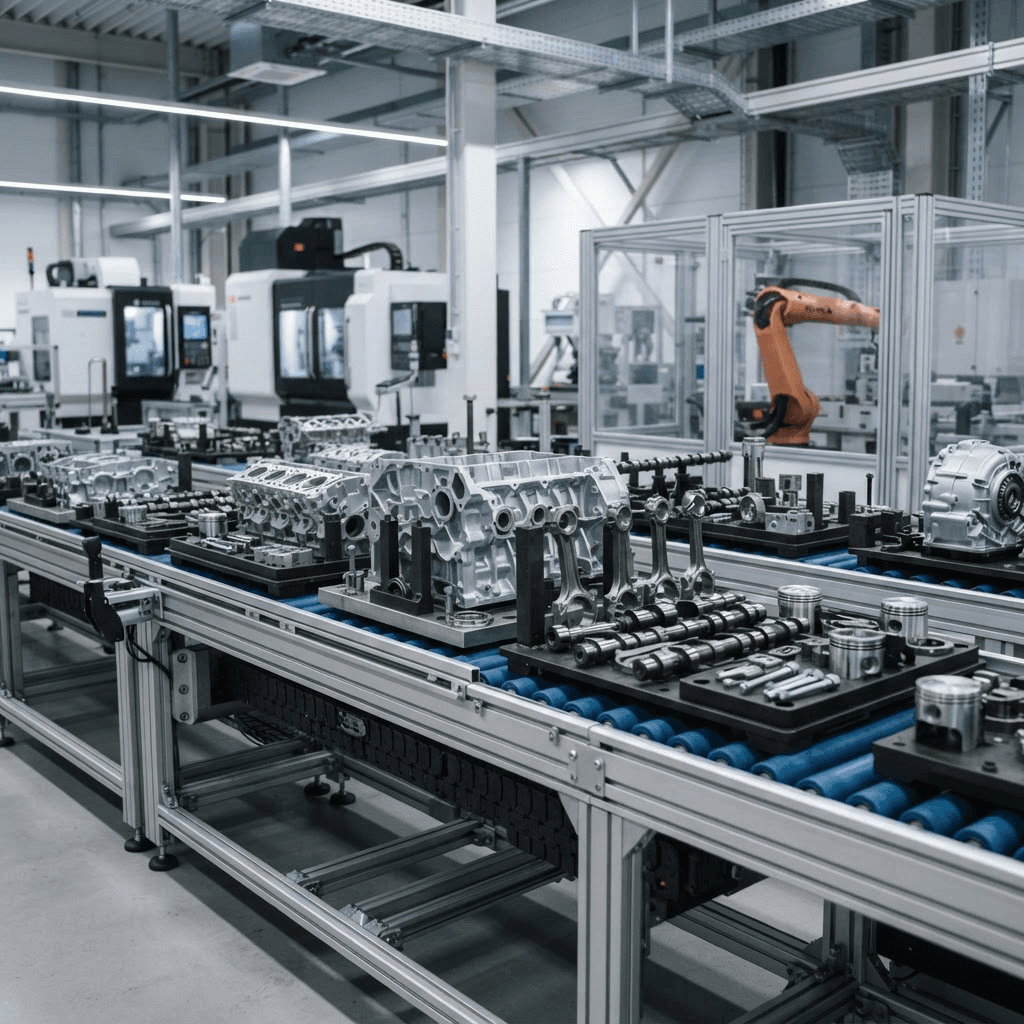
Quality control processes for automotive parts and metal components.
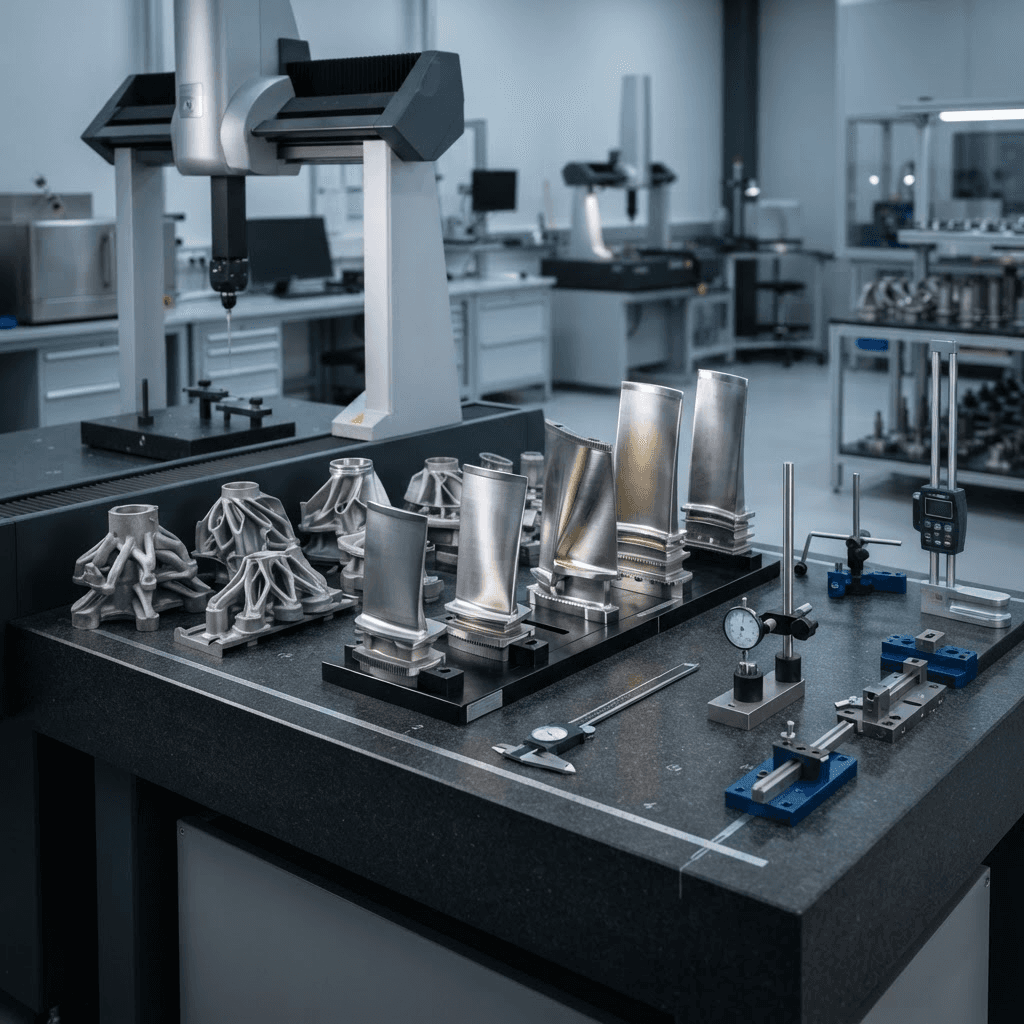
Visual inspection of metal castings and critical parts.
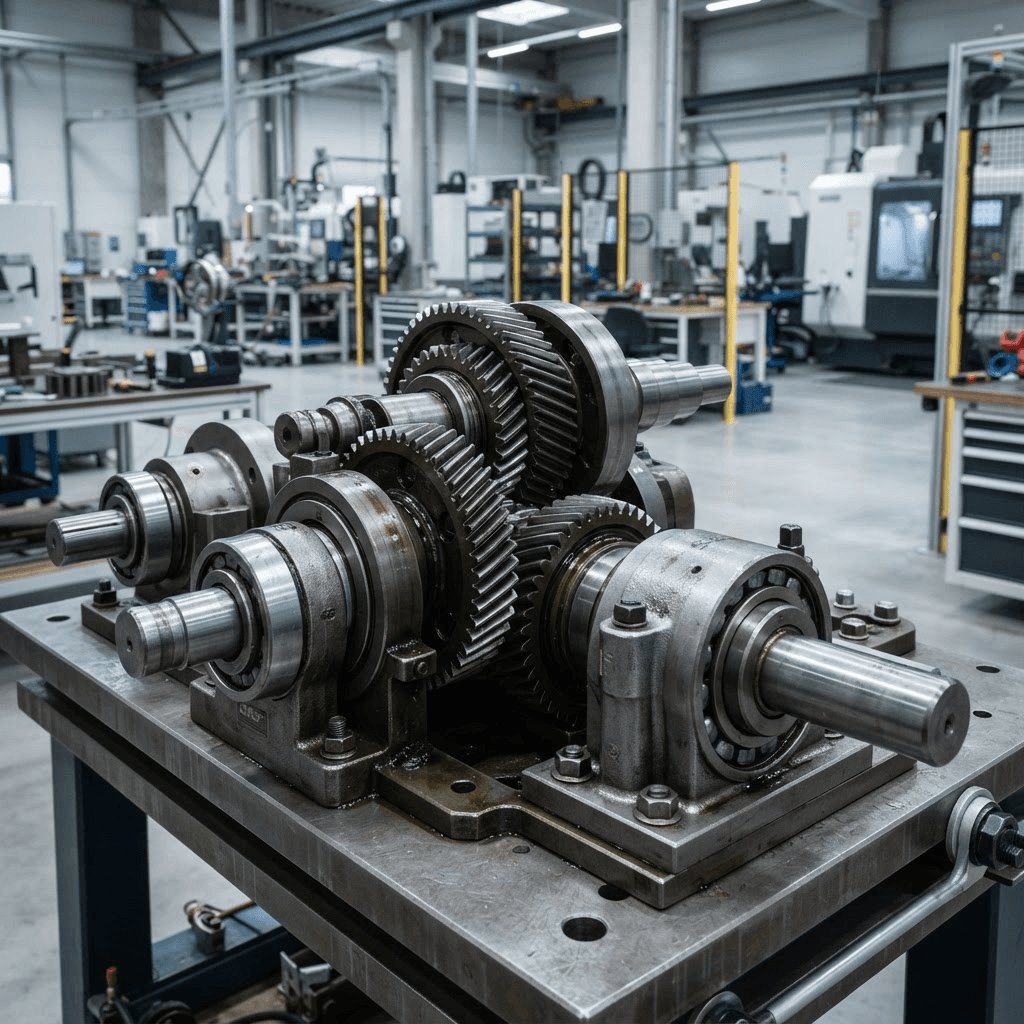
Inspection of machine parts and metal components.
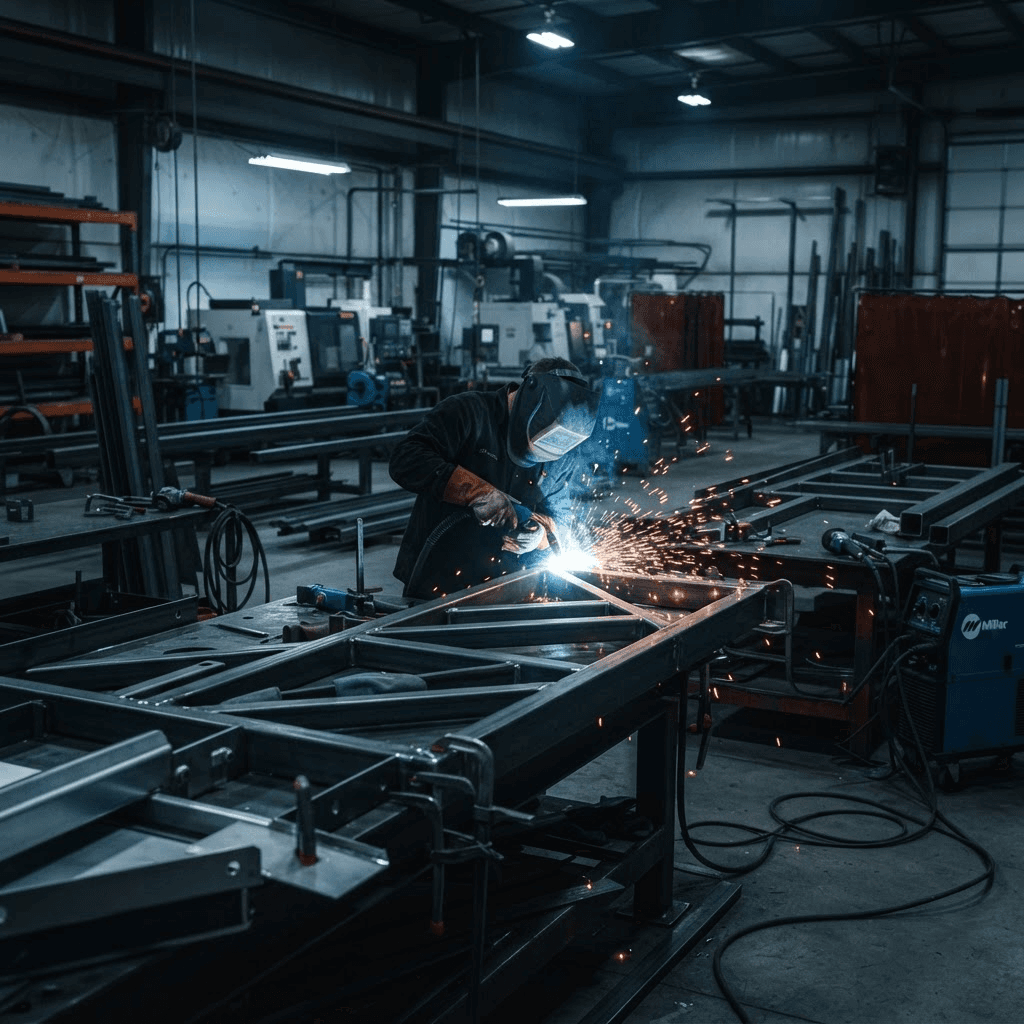
Visual defect detection across different metalworking processes.
ARCA Yazılım focuses on turning AI into a solution that works under real production conditions.
An engineering approach that understands what real production processes need.
A structure that adapts to the different needs of every production line.
An approach of ongoing development that follows advances in AI and deep learning.
Fast communication and technical support for businesses in Türkiye.
A holistic approach spanning dataset to model training, production environment to system development.
AI can be integrated into production processes not to replace people, but to make human expertise faster, more consistent and more measurable.
Let’s evaluate together a solution tailored to your production process, your part types and your defect categories.